
Top 10 SEO Tools for Bloggers and Content Creators in 2026
If you are a blogger or content creator in 2026, using the right SEO tools can save time, improve your content quality, and help you rank higher in search engines. This guide covers the top 10 SEO tools for bloggers and content creators, with practical use cases and important keywords naturally included.
1. Google Search Console
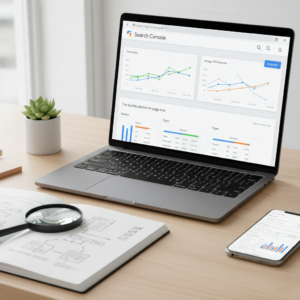
Google Search Console is a must-have free SEO tool for bloggers because it shows how your website performs in Google search. You can track clicks, impressions, average position, and which keywords are bringing traffic to your blog.
For content creators, Google Search Console is perfect for finding underperforming pages and updating them with better on-page SEO. You can see which queries almost rank on page one and then optimize titles, meta descriptions, and headings around those SEO keywords. Fixing coverage issues and submitting sitemaps also helps your blog get indexed faster.
2. Google Analytics 4
Google Analytics 4 (GA4) helps you understand user behavior on your blog so you can improve engagement and conversions. It shows which blog posts get the most traffic, how long people stay on each page, and where your audience is coming from.
For bloggers and content creators, GA4 is useful for testing content ideas and understanding what topics your audience loves. When you combine GA4 data with other SEO tools, you can decide which posts to update, which keywords to target, and which traffic sources to double down on for better SEO results.
3. Google Keyword Planner
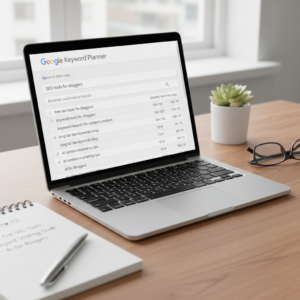
Google Keyword Planner is a powerful free keyword research tool originally made for Google Ads but very useful for SEO. Bloggers can use it to find keyword ideas, search volume, and content topics related to their niche.
You simply enter a seed keyword like “SEO tools for bloggers” or “content marketing tips,” and Keyword Planner suggests related terms and long-tail keywords. This helps you write SEO-optimized blog posts that match what people are actually searching for. For small creators, it’s an easy way to build a keyword strategy without paying for expensive tools.
4. Ubersuggest
Ubersuggest is a popular SEO tool for bloggers that offers keyword research, content ideas, and basic site audits in one platform. It is beginner-friendly and more affordable than many enterprise-level tools.
Content creators can use Ubersuggest to find low-competition keywords, analyze competitors’ top pages, and get suggestions for new blog topics. The tool also gives SEO difficulty scores, backlink data, and on-page SEO recommendations, making it great for creators who want an all-in-one solution without a high price tag.
5. Ahrefs

Ahrefs is one of the most powerful SEO tools for bloggers and content creators who are serious about growth. It has a huge backlink index, detailed keyword research, and strong competitor analysis features.
With Ahrefs, you can see which keywords your competitors rank for, which pages get the most backlinks, and where your own blog has content gaps. Bloggers use Ahrefs to plan pillar posts, build topical authority, and find link-building opportunities. For advanced content creators, Ahrefs is ideal for creating data-driven SEO strategies.
6. Semrush
Semrush is another all-in-one SEO and digital marketing tool used by professional bloggers, agencies, and content creators. It includes keyword research, site audits, rank tracking, content marketing tools, and even social media management.
If you run a blog as a full online business, Semrush helps you manage everything from keyword clusters to technical SEO issues. Its content marketing toolkit suggests topics, analyzes competitors’ content, and helps you optimize your blog posts for target keywords. For bloggers who want one dashboard for all SEO tasks, Semrush is a strong choice.
7. Yoast SEO (for WordPress)
Yoast SEO is one of the most popular on-page SEO plugins for WordPress bloggers. It helps you optimize titles, meta descriptions, URLs, and content for specific focus keywords without needing technical knowledge.
For content creators, Yoast SEO provides real-time feedback inside the editor, such as keyword usage, internal links, readability, and meta tag optimization. It also automatically generates XML sitemaps and manages canonical URLs, which are essential for technical SEO. If your blog is on WordPress, Yoast SEO is almost a must-have tool.
8. Rank Math (for WordPress)

Rank Math is another powerful WordPress SEO plugin that many bloggers now prefer because of its clean interface and advanced features. Like Yoast, it helps you optimize SEO titles, meta descriptions, schema, and on-page elements for your blog posts.
What makes Rank Math attractive for content creators is its deeper integration with schema markup, multiple keyword optimization, and built-in analytics. It also supports WooCommerce SEO and local SEO, making it great if you sell products or run services alongside your blog. For creators who want more control and data, Rank Math is a strong SEO tool.
9. Surfer SEO
Surfer SEO is a content optimization tool designed specifically for bloggers and content creators who want to rank higher with data-driven on-page SEO. It analyzes the top-ranking pages for a keyword and suggests ideal word count, headings, keyword density, and semantic terms.
When you write a blog post inside Surfer SEO or using its integrations, you get a real-time SEO content score based on how well your article matches the search results. This is extremely useful for optimizing existing posts and creating new long-form content that is fully SEO-optimized. For creators focused on long-term rankings, Surfer SEO can be a game-changer.
10. AnswerThePublic

AnswerThePublic and similar tools like AlsoAsked help bloggers discover real questions people ask about a topic. They show long-tail queries and “people also ask” style questions from search engines, which are perfect for headings and FAQ sections.
Content creators can use these tools to structure blog posts around user intent and capture featured snippets. By turning these questions into H2 or H3 headings and answering them clearly, your content becomes more relevant and SEO-friendly. This improves your chances of ranking for multiple related keywords with a single article.
How to Choose the Best SEO Tools for Your Blog
You don’t need every SEO tool on this list to succeed as a blogger in 2026. Start with free essentials like Google Search Console, Google Analytics 4, and a WordPress SEO plugin such as Yoast SEO or Rank Math. As your blog grows, you can add advanced tools like Ahrefs, Semrush, or Surfer SEO for deeper keyword research and content optimization.
The best SEO tools for bloggers and content creators are the ones you actually use consistently. Focus on a small stack that covers keyword research, on-page SEO, content optimization, and performance tracking. With the right tools and strong content, your blog can attract more organic traffic and build long-term authority in your niche.
Visit My Website – https://kartikdigitalmarketer.com
Follow On Instagram – https://www.instagram.com/_saatvik._.77